
Breast health is an  important aspect of overall well-being for women of all ages. Understanding how to care for your breasts and knowing what to look for when something changes is vital.
This article will answer some of the most common questions women may have about breast health.
What are the basics of maintaining good breast health?
Maintaining good breast health involves a combination of regular self-care practices, such as:
- Breast self-exams: checking your breasts for any unusual lumps or changes in size, shape, or texture is a simple and effective way to monitor your breast health. It is recommended to perform this examination monthly, ideally at the same time in your menstrual cycle when your breasts are least likely to be swollen or tender.
- Wearing a well-fitted bra: wearing a supportive and correctly sized bra can help prevent discomfort and protect the breast tissue, especially during exercise.
- Healthy lifestyle choices: a balanced diet, regular exercise, and limiting alcohol intake can help maintain overall breast health. Smoking cessation is also strongly advised, as smoking has been linked to various breast-related health issues, including cancer.
How can I recognise abnormal breast changes?
Breast changes are common and often normal, especially during menstruation, pregnancy, or menopause.
However, some changes may require medical attention:
- Lumps or thickened areas: while not all lumps are cancerous, any persistent lump or area of thickening should be examined by a Consultant Breast Specialist .
- Changes in shape or size: noticeable differences in the shape or size of one breast compared to the other, particularly if they occur suddenly and persit over time, may be a sign of an underlying issue.
- Nipple discharge or inversion: unusual discharge (particularly blood) or a sudden inward turning of the nipple that persists over time, should be investigated.
- Skin changes: persistent dimpling, redness, or a rash around the breast, especially if the skin appears puckered, could indicate an underlying condition.
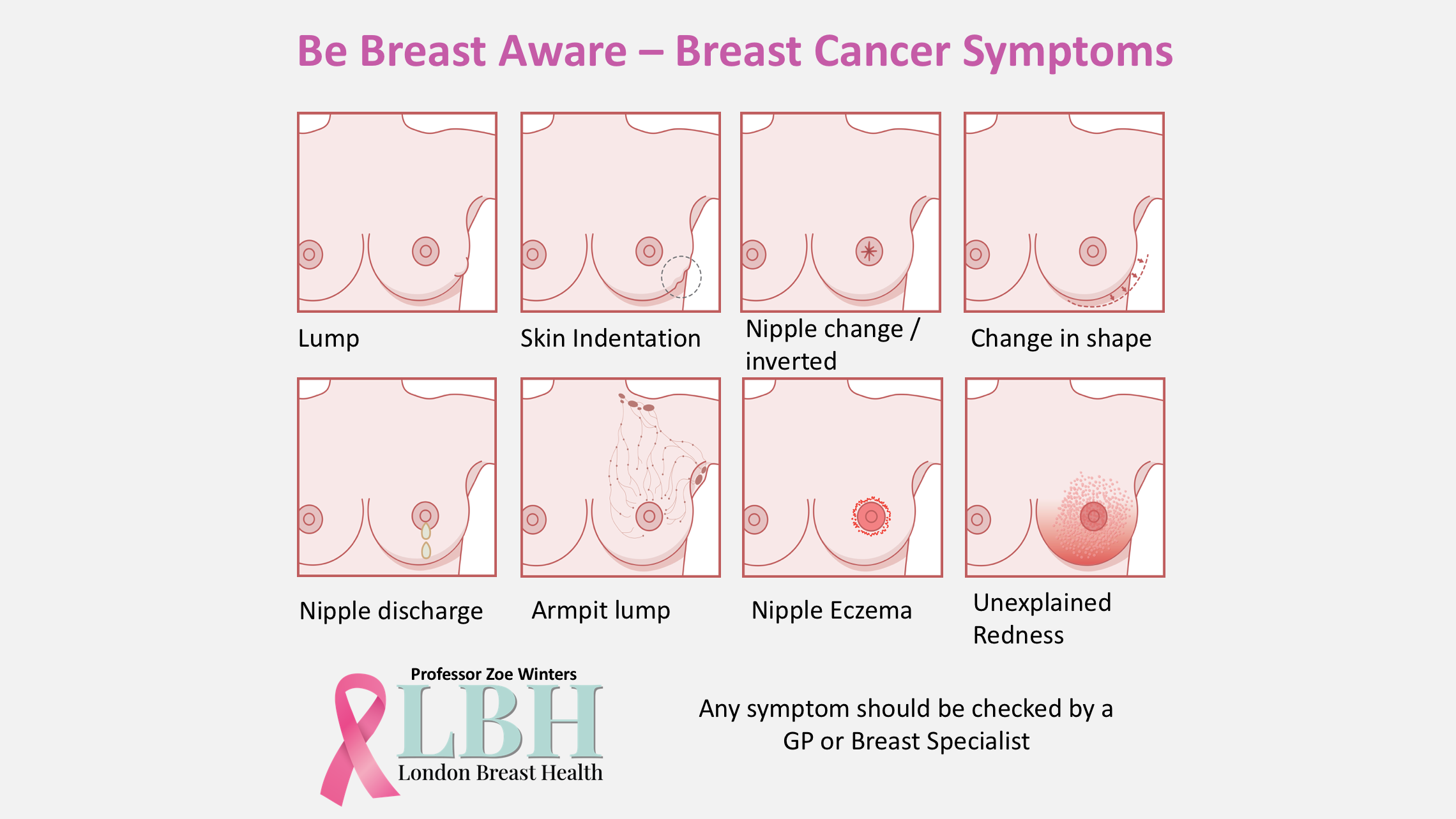
If you notice any of these symptoms, it’s important to schedule an appointment with your GP for further evaluation,and an onward referral to a one stop breast clinic.
How often should I get a mammogram?
Mammograms are an essential tool in detecting Breast Cancer early. In the UK, the NHS offers mammograms to women aged 50 to 75 every three years. Women with a higher risk of developing breast cancer, such as those with a family history of the disease, may be advised to start screening earlier at 40 years or have mammograms more frequently,yearly or 2 yearly from 40 years of age onwards.
If you are under 50 years of age, and concerned about your breast health, based on your family history or other risk factors, you are best advised to consult with a breast specialist to discuss whether earlier screening might be appropriate.
Is breast pain a cause for concern?
Breast Pain, or mastalgia is common and is usually linked to hormonal changes during the menstrual cycle.
It can also be triggered by factors such as:
- Pregnancy or breastfeeding: these conditions can cause temporary discomfort as breast tissue changes.
- Poorly fitted bras: wearing a bra that is too tight or lacks proper support can lead to pain and discomfort.
Infections or cysts: sometimes, pain may indicate an infection (mastitis) or the presence of a benign cyst.
Most breast pain is not linked to breast cancer. However, if the pain is persistent, severe, or located in one specific area, it’s best to consult a breast specialist to exclude any serious conditions.
Are there ways to reduce the risk of breast cancer?
While breast cancer cannot be entirely prevented, there are several ways to reduce your risk:
- Maintain a healthy weight: obesity, particularly after menopause, increases the risk of breast cancer.
- Limit alcohol consumption: the more alcohol you consume, the higher your risk of developing breast cancer. Limiting yourself to one drink per day or less can help reduce this risk.
- Stay active: regular physical activity has been shown to lower the risk of breast cancer.
Hormone replacement therapy (HRT): while HRT can help manage menopausal symptoms, long-term use (more than 5 years) of combined oestrogen and progestogen therapy is linked to an increased risk of breast cancer. Discuss your options with your GP, Breast Specialist and/or a Menopause Specialist.
What should I do if I have a family history of breast cancer?
If you have a strong family history of breast cancer, particularly if multiple close relatives were diagnosed at a young age, you may be at a higher risk.
In this case:
Speak with your GP: they may refer you to a breast specialist and /or a genetic counsellor for further assessment.
Consider genetic testing: mutations in genes such as BRCA1 and BRCA2 and others, can significantly increase breast cancer risk. Genetic testing may be recommended if your family history suggests a hereditary link.